Tent procurement is a critical decision that impacts the success of your project—whether it’s a commercial event, logistics operation, sports facility, or outdoor activity. To ensure you get the right product at the right value, it’s essential to approach the process with a clear strategy, focusing on key factors that align with your specific needs and long-term goals. From defining requirements to evaluating suppliers and finalizing the purchase, every step requires careful consideration to avoid common pitfalls and maximize returns.
Start by clarifying your core requirements. Identify the primary usage scenario (e.g., storage, events, sports, or agriculture), venue size (including span and height needs), and environmental conditions (such as wind speed, rainfall, and temperature variations) . For example, a logistics warehouse tent needs to be weather-resistant and spacious, while a stadium tent requires large-span capability and structural stability . Determine functional needs such as quick installation, mobility, electric control, or customization of colors and layouts. Having a clear list of requirements will help you narrow down suppliers and avoid paying for unnecessary features.
Next, evaluate supplier capabilities thoroughly. Focus on manufacturers with proven experience in your target industry—they will have a better understanding of industry-specific needs and challenges . Request detailed product specifications, including material quality (frame and fabric type), technical parameters (wind resistance, waterproof rating, UV protection), and quality certifications . Ask for case studies relevant to your project, such as similar size tents or applications in the same industry, and contact references to verify their satisfaction with product performance and after-sales service .
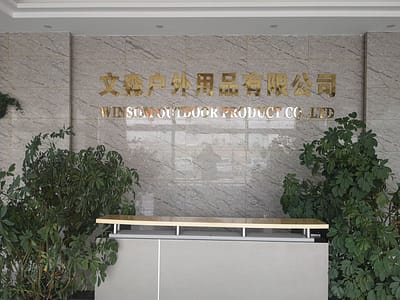
On-site factory inspections are highly recommended to assess production capacity and quality control. Check if the manufacturer has advanced production equipment, standardized workflows, and a professional team . Observe the quality of raw materials and finished products—for instance, the thickness and durability of tent fabrics, the precision of frame welding, and the smoothness of zippers or connectors . A manufacturer with strict quality control processes (such as ISO9001 certification) is more likely to deliver consistent, reliable products.
Cost management is another crucial aspect. While price is important, it should not be the sole deciding factor. Compare quotes from multiple suppliers, but ensure you’re comparing like-for-like—consider material quality, customization options, service inclusions (installation, training, warranty), and delivery time . Look for opportunities to optimize costs, such as bulk purchasing discounts, off-season procurement, or long-term cooperation agreements . Avoid overly low quotes that may indicate inferior materials or inadequate service, as they can lead to higher maintenance costs or project delays later.
Finally, pay close attention to after-sales service and support. A reliable supplier should offer a comprehensive warranty, prompt maintenance response, and accessible spare parts . They should also provide clear installation guidelines or professional setup services to ensure the tent is assembled correctly and safely . Discuss potential issues such as weather damage, wear and tear, or operational problems, and confirm the supplier’s process for addressing them. Good after-sales service ensures that your tent remains functional and durable for years to come.
By following these key considerations—defining requirements, evaluating suppliers, inspecting factories, managing costs, and securing after-sales support—you can streamline the tent procurement process and make an informed decision. The right tent will not only meet your immediate needs but also provide long-term value, supporting the success of your project and enhancing your operational efficiency.